

Ever find bedtime turning into a tug-of-war between your rumbling bump, aching hips, and that 3 am dash to the loo? You’re not alone; pregnancy can turn even the simplest sleep into a late-night saga. But what if a few gentle stretches and mindful breaths could help you drift off more easily, soothe those niggling aches, and actually look forward to lights-out?
Antenatal yoga blends slow, safe movements with deep, calming breathing, perfect for loosening tight muscles, easing lower-back tension and quieting an overactive mind. Think of it as a mini wind-down ritual that cues your body and brain: “It’s time to relax.” Best of all, you don’t need to be a yoga guru to reap the benefits; just 10–15 minutes on your mat (or even beside your bed) can make a noticeable difference in how quickly you fall asleep and how deeply you rest.
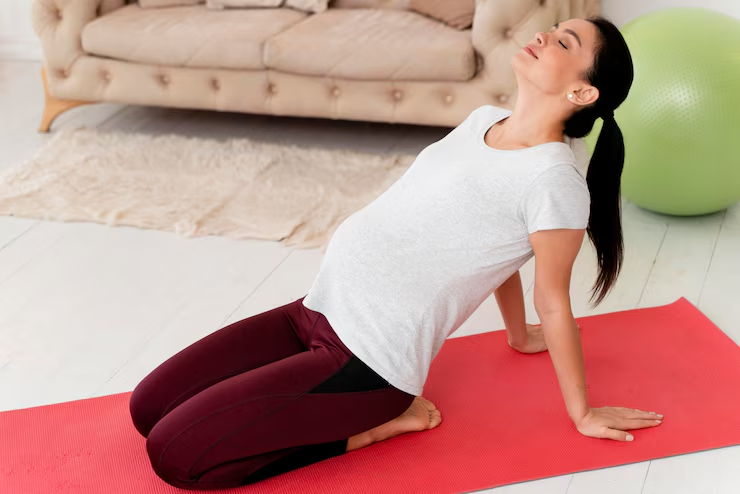
In the sections that follow, we’ll guide you through six simple, pregnancy-safe poses, share top tips for setting up your practice space, and show you how to weave antenatal yoga into your evening routine. Roll out your mat, grab a bolster (or pop your Sleepybelly Pregnancy Pillow under your hips) and get ready to stretch, breathe, and snooze your way to sweeter dreams.
Why Antenatal Yoga Is Your Sleep Superpower
By the end of the day, your body’s been through the wringer, tight hips from carrying bub, an overworked lower back, and a mind that just won’t switch off. Antenatal yoga acts like a gentle signal to your nervous system, saying, “Hey, it’s time to rest.” Here’s what makes it so effective:
-
Calming Breath Movements: Deliberate, diaphragmatic breathing floods your body with oxygen and cues your parasympathetic “rest and digest” response, perfect for winding down.
-
Targeted Release: Simple stretches lengthen cramped calves, hip flexors, and shoulders, flushing out built-up tension that can otherwise keep you tossing and turning.
-
Hormone Harmony: Yoga helps lower cortisol (the stress hormone) and encourages melatonin production, so your body is chemically primed for sleep.
-
Body-Mind Connection: Learning to listen inwards means you’ll notice which positions feel truly comfy once you hit the pillow.
-
Gentle Circulation Boost: Moving through slow, fluid poses supports blood flow to swollen joints and can ease restless legs.
Studies show that mamas who routinely practise prenatal yoga drift off faster and enjoy longer, more restorative sleep. In other words, just a few minutes on the mat each evening can turn bedtime from a nightly struggle into a blissful ritual.
Before You Begin: Safety & Setup
Even the gentlest stretches need a few safety checks:
-
Check in with your midwife or GP before starting any new exercise.
-
Practise in a quiet, clutter-free space with a non-slip mat.
-
Have props handy, bolsters, blocks, or folded blankets, to help support you as your bump grows.
-
Wear soft, breathable clothing and go barefoot or wear grippy socks.
-
Keep water close by and listen to your body: ease out of any pose that causes sharp pain or dizziness.
Pro tip: Tuck your Sleepybelly Pregnancy Pillow beneath you for extra support in reclined poses. Its three-piece design adapts as your belly grows and won’t take over your bed when you switch to bedtime.
6 Essential Antenatal Yoga & Stretching Poses for Sleep
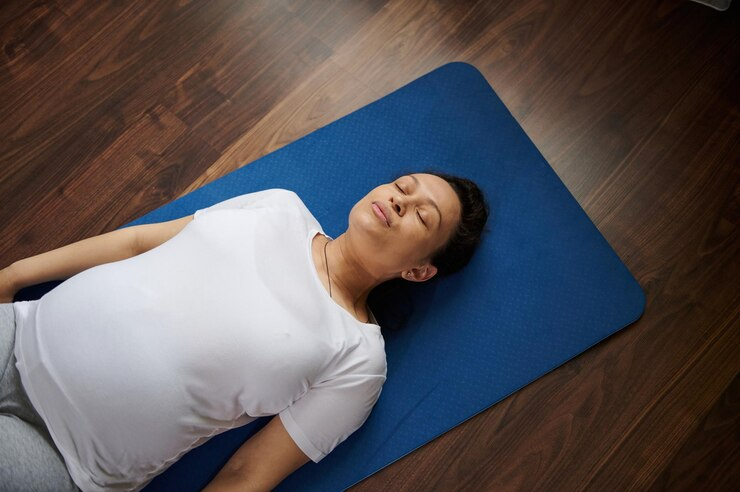
Below are six simple, pregnancy-safe poses to try in the hour before bed. Hold each pose for 5–10 slow breaths, or as feels comfortable.
-
Cat–Cow Stretch (Marjaryasana–Bitilasana)
• Come to all fours, hands under shoulders, knees under hips.
• On an inhale, drop your belly, lift your chest, and gaze forward (Cow).
• On an exhale, round your spine, tuck your chin, and gently draw your belly towards your spine (Cat).
• Repeat 6–8 times, moving with your breath.
Benefits: Loosens tight back muscles, opens the chest for easier breathing and soothes the nervous system. -
Wide-Knee Child’s Pose (Balasana)
• From all fours, spread knees wide, big toes touching.
• Sit back on your heels, rest your torso between your thighs.
• Stretch your arms out in front or rest them by your sides.
• Lay your forehead on a block, folded blanket, or the Sleepybelly Pillow for added comfort.
Benefits: Gently stretches hips, thighs and ankles while encouraging deep belly breathing to calm the mind. -
Reclined Bound Angle Pose (Supta Baddha Konasana)
• Lie on your back (or prop yourself on a bolster/firm pillow) with soles of feet together, knees falling open.
• Place your hands on your belly or by your sides, palms up to invite relaxation.
• Rest here for 5–10 breaths, using blocks under each knee if needed.
Benefits: Opens the hips, relieves groin tension, and promotes diaphragmatic breathing. -
Legs-Up-The-Wall Pose (Viparita Karani)
• Sit with one hip against a wall, then lie back as you swing your legs up.
• Scoot your pelvis as close to the wall as is comfortable, legs resting vertically.
• Place a folded blanket under your hips for support.
• Extend arms out to the sides or rest your hands on your belly.
Benefits: Encourages venous return to reduce swelling, relieves tired legs and calms the nervous system. -
Seated Side Bend (Parivrtta Janu Sirsasana Variation)
• Sit tall with legs extended. Bend your right knee, placing the sole of your right foot against your left inner thigh.
• Inhale, reach arms overhead.
• Exhale, lean to the left, resting your left hand on your shin or a block; right arm reaches over your head.
• Hold for 5–8 breaths, then switch sides.
Benefits: Stretches intercostal muscles (between the ribs) to ease breathing and lengthens the side body to relieve lower-back tension. -
Supported Bridge Pose (Setu Bandha Sarvangasana)
• Lie on your back with feet hip-width apart, knees bent.
• Lift your hips toward the ceiling.
• Slide a block or firm pillow under your sacrum for support.
• Rest arms by your sides, palms facing up.
Benefits: Opens the chest, stretches hip flexors, and helps regulate the nervous system for a calmer mind.
Weaving Poses into Your Evening Routine
For best results, turn these poses into a mini ritual:
• Dim the lights 30 minutes before practise to cue melatonin production.
• Diffuse calming essential oils like lavender or chamomile.
• Sip warm caffeine-free tea, such as chamomile or rooibos.
• Roll through the sequence, holding each pose for 5–10 breaths.
• Follow up with a gentle massage using Sleepybelly Magnesium Body Cream to soothe tired muscles.
• Slip into your favourite maternity pyjamas and settle into bed, using your Sleepybelly Pillow for side-sleeping comfort.
Creating Your Ultimate Sleep Sanctuary

Good sleep isn’t just about movement. Combine antenatal yoga with these evidence-based sleep hacks for mums:
-
Keep the room at a cool 16–18 °C and pitch-black for optimal melatonin release.
-
Limit screen time 60 minutes before bed; blue light disrupts sleep signals.
-
Establish a consistent bedtime and wake time, even on weekends.
-
Use a white-noise machine or soothing playlist to mask distractions.
According to the Sleep Health Foundation, these simple adjustments can add 30–60 minutes of quality sleep nightly, an absolute game-changer for mums-to-be.
When to Seek Professional Advice
If you’re experiencing persistent insomnia, intense pelvic pain, or significant anxiety around sleep, reach out to your midwife or GP. They can recommend:
-
A tailored prenatal exercise plan
-
Breathing and relaxation techniques
-
Referral to a sleep specialist if needed
Sleep disturbances can sometimes signal underlying conditions, so it’s always best to check in if something doesn’t feel right. For more on how prenatal yoga and supportive routines can improve sleep during pregnancy, see "Optimal Sleep in Pregnancy: Tips and Tricks for a Restful Night" by The Mama Physio
Embrace Restful Nights—You’ve Got This!
Antenatal yoga and gentle stretching are powerful allies in your quest for better sleep. By carving out 10–15 minutes each evening, you’ll not only soothe physical discomforts but also gift your mind the calm it needs to drift off peacefully. Pair your practice with Sleepybelly’s supportive products, like our Pregnancy Pillow and Magnesium Body Cream, and you’ll be well on your way to dreamy, restorative nights.
Sweet dreams and sleepy snuggles, mum. Your body (and bub) will thank you in the morning.


