

Picture this: you’ve finally tucked into bed after a long day of nursery research and prenatal yoga… only to find yourself staring at the ceiling, wide awake. If sleep feels like a distant dream, you’re in good company. As your body adapts to growing your little one, the right pregnancy sleep positions can mean the difference between restless tossing and truly restorative shut-eye.
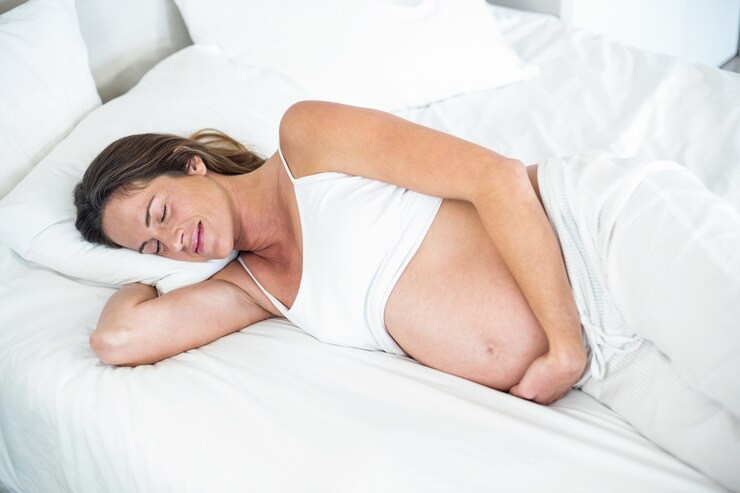
Why Pregnancy Sleep Positions Matter
Your body is on an incredible journey, your centre of gravity shifts, blood volume increases by up to 50%, and organs make way for the baby. All this can make old favourite positions uncomfortable or even unsafe.
Key benefits of adopting the right positions include:
-
Improved circulation to your placenta and bub, promoting healthy growth.
-
Reduced pressure on the inferior vena cava (a major vein), cutting the risk of dizziness or low blood pressure.
-
Eased back, hip, and pelvic discomfort via better spinal alignment.
-
Fewer episodes of heartburn and acid reflux by keeping your torso slightly elevated or side-lying.
-
Minimized swelling in ankles and feet through leg elevation and support.
According to the Red Nose Australia, side-lying after the first trimester is the safest choice for mum and baby.
1. Left Side Sleeping: The “Gold Standard.”
Sleep experts and obstetricians alike champion left-side sleeping for its circulatory perks. By lying on your left, you:
-
Maximise blood flow and nutrient delivery to your placenta and bub.
-
Help your kidneys eliminate waste efficiently, reducing fluid retention and swelling.
How to perfect left-side slumber:
-
Hug an adjustable support such as the Sleepybelly Pregnancy Pillow to cradle your bump and keep your spine aligned.
-
Nestle a regular pillow or a small cushion between your knees to relieve lower-back tension.
-
If you wake on your back, gently roll back onto your left rather than sitting up fully, which reduces strain.
Many mums also turn to resources like The Bump’s Pregnancy for additional side-sleeping techniques and trimester-by-trimester advice.
2. Right Side Sleeping: Rotate for Relief
While left-side is ideal, alternating to your right can prevent stiffness and muscle soreness. Swapping sides nightly keeps circulation balanced and gives each side of your body a break.
Pro tips for right-side comfort:
-
Mirror your left-side pillow setup: bump support in front, cushion between knees.
-
Alternate sides every few hours if you’re restless, just maintain side-lying posture.
-
Avoid flat-on-your-back or stomach positions; they can compress vessels and strain your joints.
Rotating between left and right sides helps you embrace variety while staying within the safe side-lying zone.
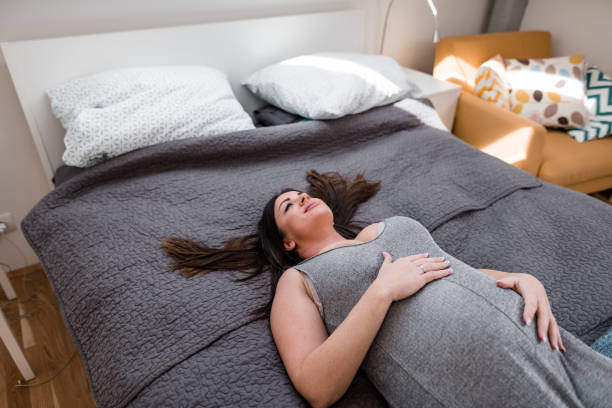
3. Semi-Fetal Position: Gentle and Supportive
Curling up slightly, shoulders relaxed, hips bent, eases pressure on your lumbar spine and pelvis. This semi-fetal posture is a sweet spot for many mums experiencing lower-back pain or sciatica.
To nail the semi-fetal posture:
-
Bend your top leg just enough so it feels supported, not cramped.
-
Slip your Sleepybelly pillow under your belly and keep a cushion between your knees.
-
Focus on softening your shoulders and unclenching your jaw to release upper-body tension.
For more gentle stretches and positioning tips, the Memo Pregnancy Guide offers a wealth of Australian-focused advice.
4. Supported Reclining: Banishing Heartburn & Breathlessness
As your bump grows, reflux and breathlessness can sabotage sleep. A semi-reclined position, propped at about 30–45°, keeps stomach acid down and chest expansion easy.
Setting up your recline:
-
Stack firm pillows or use a wedge behind your back and under your head.
-
Place a small cushion at your lower spine for lumbar support.
-
Elevate your upper body just enough to feel relief, avoiding a steep incline that strains your neck.
NSW Health endorses this position to alleviate gastrointestinal and respiratory discomfort during later trimesters.
5. Side-Lying with Leg Elevation: Reduce Swelling
Fluid retention in the ankles and feet is common in late pregnancy. Elevating your legs while side-lying improves venous return, cuts swelling, and maintains a safe side position.
How to elevate effectively:
-
Lie on your preferred side with your head and bump supported by your favourite pillow.
-
Slide a rolled towel or small cushion under your top leg, just above the ankle, for a gentle lift.
-
For extra comfort, place a wedge pillow under your lower leg instead.
Elevated side-lying not only tackles oedema but also reinforces side-lying posture, preventing accidental back-sleeping.
Planning Your Sleep Environment: Essentials for Success
Choosing the right positions is only half the battle. Turning your bedroom into a sleep sanctuary involves:
-
Quality Pregnancy Pillow
– A multi-piece, adjustable pillow (like Sleepybelly’s three-piece design) adapts from first trimester to postpartum breastfeeding. -
Breathable Bedding and Pyjamas
– Natural fibres such as bamboo or cotton regulate temperature. The Sleepybelly 3-Piece Maternity Pyjama Set features a ComfortBand™ waist that sits gently on your bump without digging in. -
Blackout Curtains & White Noise
– Block early-morning light with blackout curtains; mask household noise with a white-noise machine or app. -
Consistent Sleep Schedule
– Aim for the same bedtime and wake time daily, even on weekends, to reinforce your body clock. -
Calming Night-Time Rituals
– Apply a dab of Sleepybelly Magnesium Body Cream to ease muscle tension, enjoy a warm (not hot) bath, or practise five minutes of prenatal meditation. -
Nutritious Evening Snacks
– Keep magnesium-rich nibblies (nuts, seeds, leafy greens) on hand to promote relaxation.
Planning ahead means you’ll have every tool ready when insomnia strikes, so you can tackle it calmly rather than scrambling in the dark.

What to Look Out For: When to Seek Professional Help
Occasional sleep hiccups are normal, but persistent or severe issues call for extra support. Contact your midwife, GP, or obstetrician if you experience:
-
Frequent Dizziness or Faintness when changing positions.
-
Severe Back, Hip, or Pelvic Pain that limits mobility.
-
Unrelenting Swelling or tingling in hands and feet.
-
Reflux or Heartburn unresponsive to dietary changes or over-the-counter remedies.
-
Sleep-Disordered Breathing, loud snoring, gasping, or choking (see the Sleep Health Foundation for more on pregnancy-related sleep apnoea).
-
Restless Leg Syndrome, an overwhelming urge to move your legs, often worse at night (speak with a pelvic-health physiotherapist.
Early intervention keeps both you and your baby safe and comfortable.
Final Thoughts: Prioritise Your Rest for a Healthier Pregnancy
Quality sleep isn’t a luxury; it’s essential for your physical health, emotional well-being, and your baby’s development. By mastering the right pregnancy sleep positions, preparing a supportive sleep environment, and listening to your body’s signals, you’ll be well on your way to more restorative nights.
Discover how tailored support can transform your sleep: explore the Sleepybelly Pregnancy Pillow, 3-Piece Maternity Pyjama Set, and Magnesium Body Cream today.


